

- Ankle
- Bimalleolar fracture
- Fibular fracture
- Osteotomy
- Subcutaneous emphysema
- Tibial pilon fracture
- Trimalleolar fracture
- Unimalleolar fracture (lateral)
- Arm
- Humeral shaft fracture
- Nightstick fracture
- Proximal humerus fracture
- Pt 8: Investigation
- Pt 9: Investigation
- Pt 10: Preoperative evaluation
- Pt 10: Postoperative control
- Pt 16: Investigation
- Torus of the distal radius
- Elbow
- Capitellum fracture
- Condyle fracture
- Distal humerus fracture
- Elbow dislocation
- Intercondylar fracture
- Intra-articular swelling
- Monteggia fracture
- Olecranon fracture
- Radial head fracture
- Supracondylar fracture
- Trochlear fracture
- Foot
- Calcaneus fracture
- Clubfoot
- Cuboid fracture
- Enthesopathy
- Hallux valgus
- Jones fracture
- Lisfranc fracture
- Metatarsal fracture (1st)
- Metatarsal fracture (4th)
- Metatarsal fracture (5th)
- Metatarsophalangeal luxation
- Metatarsus varus
- Osteomyelitis
- Phalangeal fracture
- Pseudo-Jones fracture
- Rheumatoid arthritis
- Sesamoid luxation
- Talus fracture
- Hand
- Bennett fracture
- Boxer's fracture
- Interphalangeal luxation
- Metacarpal fracture (4th)
- Metacarpal fracture (5th)
- Metacarpophalangeal luxation
- Phalangeal arthrosis
- Radiocarpal arthritis
- Reverse Bennett fracture
- Rheumatoid arthritis
- Rhizarthrosis
- Rolando Fracture
- Hip
- Acetabular fracture
- Pt 11: Preoperative evaluation
- Pt 11: Postoperative control
- Pt 13: Investigation
- Pt 65: Investigation
- Avascular necrosis
- Coxa magna
- Coxa plana
- Coxarthrosis
- Pt 19: Preoperative evaluation
- Pt 72: Investigation
- Pt 78: Preoperative evaluation
- Pt 78: Postoperative control
- Pt 79: Preoperative evaluation
- Pt 79: Postoperative control
- Pt 80: Preoperative evaluation
- Pt 80: Postoperative control
- Developmental dysplasia of the hip
- Femoral head fracture
- Femoral head fracture-dislocation
- Femoral neck fracture
- Pt 17: Preoperative evaluation
- Pt 17: Postoperative control
- Pt 18: Preoperative evaluation
- Pt 18: Postoperative control
- Pt 18: Postoperative control
- Pt 19: Preoperative evaluation
- Pt 19: Postoperative control
- Pt 20: Preoperative evaluation
- Pt 20: Postoperative control
- Pt 21: Preoperative evaluation
- Pt 21: Postoperative control
- Heterotopic calcification
- Intertrochanteric fracture
- Pt 13: Investigation
- Pt 22: Preoperative evaluation
- Pt 22: Postoperative control
- Pt 23: Preoperative evaluation
- Pt 23: Postoperative control
- Pt 24: Preoperative evaluation
- Pt 24: Postoperative control
- Legg-Calvé-Perthes disease
- Os acetabuli
- Periprosthetic fracture
- Slipped capital femoral epiphysis (SCFE)
- Subtrochanteric fracture
- Total hip prothesis dislocation
- Knee
- Bone graft
- Enchondroma
- Femoropatellar arthrosis
- Gonarthrosis
- Pt 82: Investigation
- Pt 82: Postoperative control
- Pt 83: Preoperative evaluation
- Pt 83: Postoperative control
- Pt 84: Preoperative evaluation
- Pt 84: Postoperative control
- Intra-articular swelling
- Pt 44: Preoperative evaluation
- Pt 70: Preoperative evaluation
- Pt 82: Investigation
- Pt 83: Preoperative evaluation
- Kirschner wire
- Osteochondral lesion
- Osteochondritis dissecans
- Osteophytes
- Patellar fracture
- Tibial plateau fracture
- Pt 35: Preoperative evaluation
- Pt 35: Postoperative control
- Pt 36: Preoperative evaluation
- Pt 36: Postoperative control
- Pt 50: Preoperative evaluation
- Pt 50: Postoperative control
- Tibiofemoral luxation
- Leg
- Femoral shaft fracture
- Pt 42: Preoperative evaluation
- Pt 42: Postoperative control
- Pt 43: Preoperative evaluation
- Pt 43: Postoperative control
- Fibular fracture
- Fibular shaft fracture
- Maisonneuve fracture
- Phlebolith
- Tibial shaft fracture
- Neck
- Edema
- Halo
- Pelvis
- Ischial enthesopathy
- Ischiatic ramus fracture
- Pubic ramus fracture
- Sacral fracture
- Vascular calcifications
- Shoulder
- Acromioclavicular arthrosis
- Acromioclavicular luxation
- Pt 88: Investigation
- Pt 91: Preoperative evaluation
- Pt 91: Postoperative control
- Pt 92: Investigation
- Clavicle fracture
- Glenohumeral arthrosis
- Glenohumeral dislocation
- Hill-Sachs fracture
- Rotator cuff tear
- Scapular fracture
- Spine
- Burst vertebral fracture
- C1 fracture
- C1-C2 instability
- C5 fracture
- Cervical fracture-dislocation
- Discarthrosis
- Facet arthrosis
- Flexion-distraction fracture
- Forestier disease
- Odontoid fracture
- Retrolisthesis
- Rheumatoid arthritis
- Scoliosis
- Spondilolysthesis
- Uncarthrosis
- Wedge fracture
- Thorax
- Rib fracture
- Wrist
- Avulsion fracture of the ulnar styloid
- Pt 11: Postoperative control
- Pt 31: Preoperative evaluation
- Pt 57: Preoperative evaluation
- Pt 57: Postoperative control
- Barton's fracture
- Chauffeur's fracture
- Colles fracture
- Pt 30: Preoperative evaluation
- Pt 30: Postoperative control
- Pt 31: Preoperative evaluation
- Pt 31: Postoperative control
- Distal radius fracture
- Galeazzi fracture
- Perilunate fracture-dislocation
- Physeal injury of the distal radius
- Radial styloid fracture
- Radioulnar joint disruption
- Reverse Barton's fracture
- Scaphoid fracture
59-year-old male:
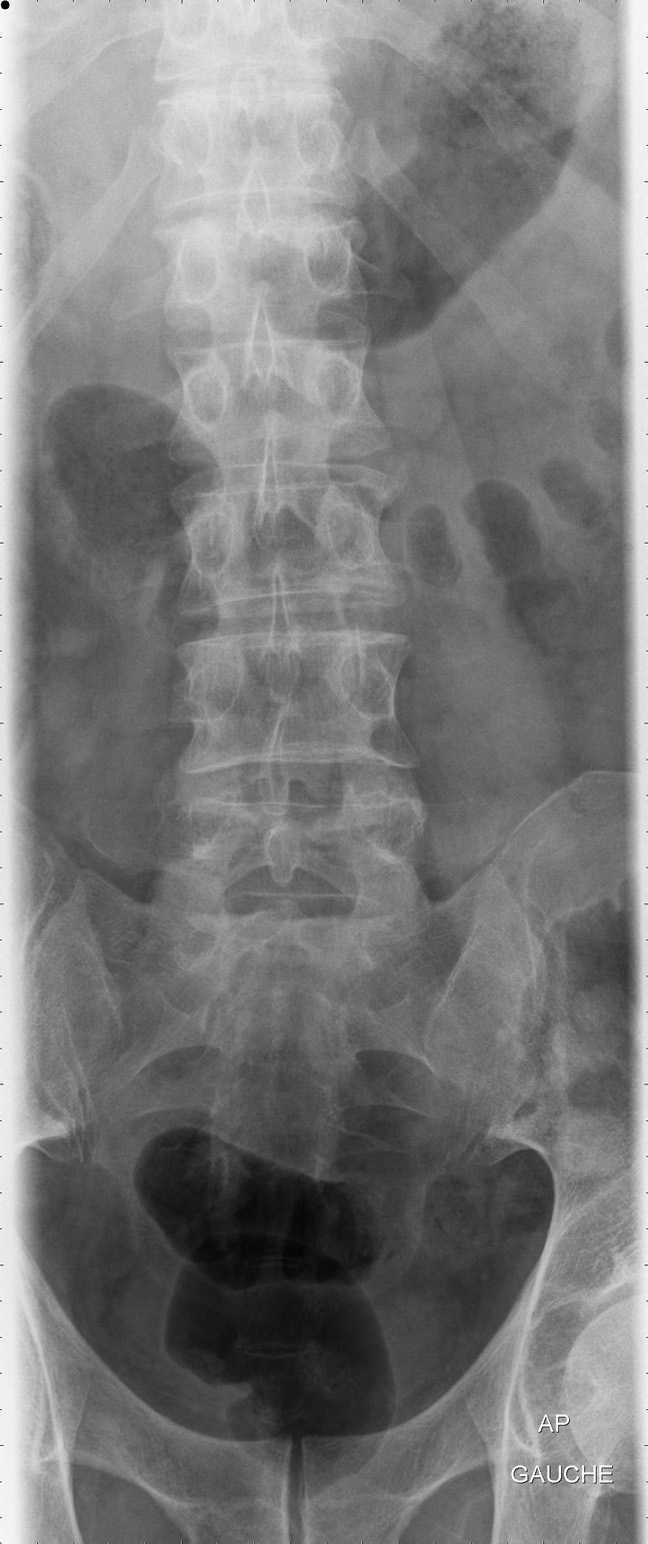
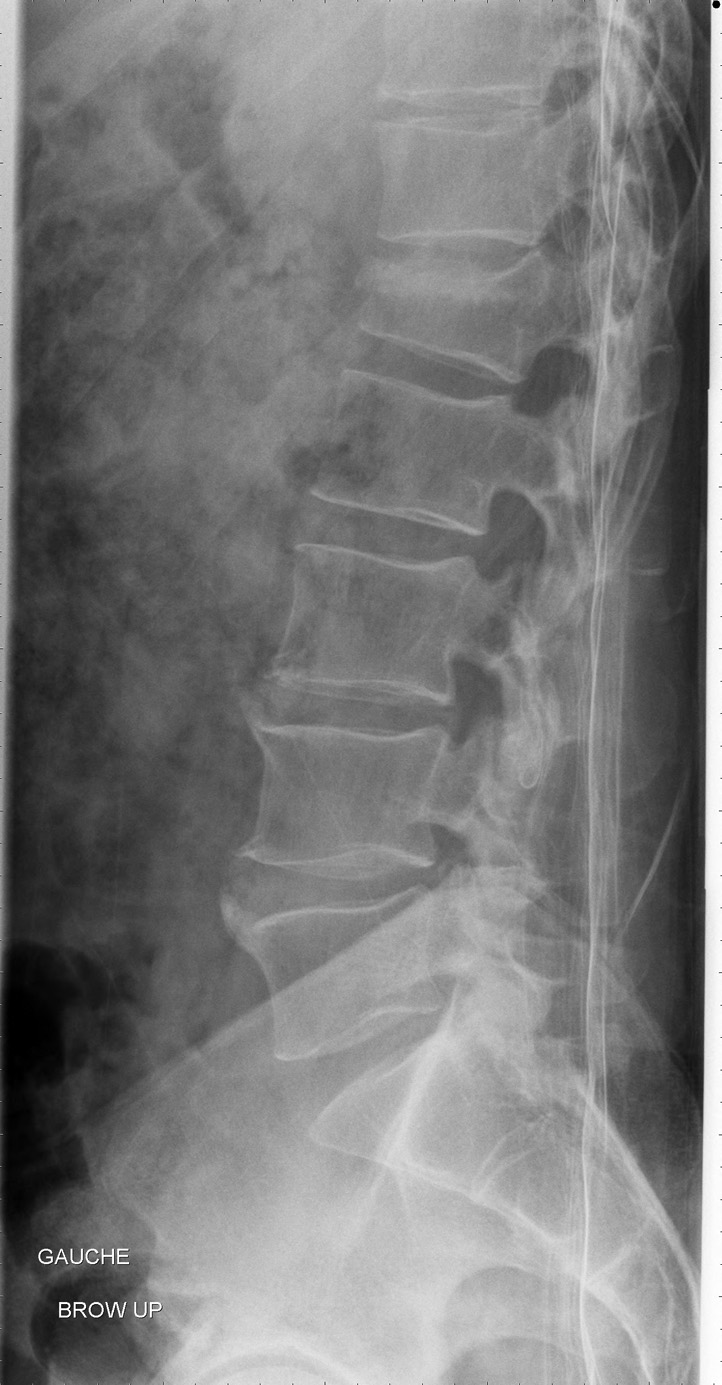
Lumbar pain following a fall from standing height.
Lumbar pain following a fall from standing height.
Wedge fracture
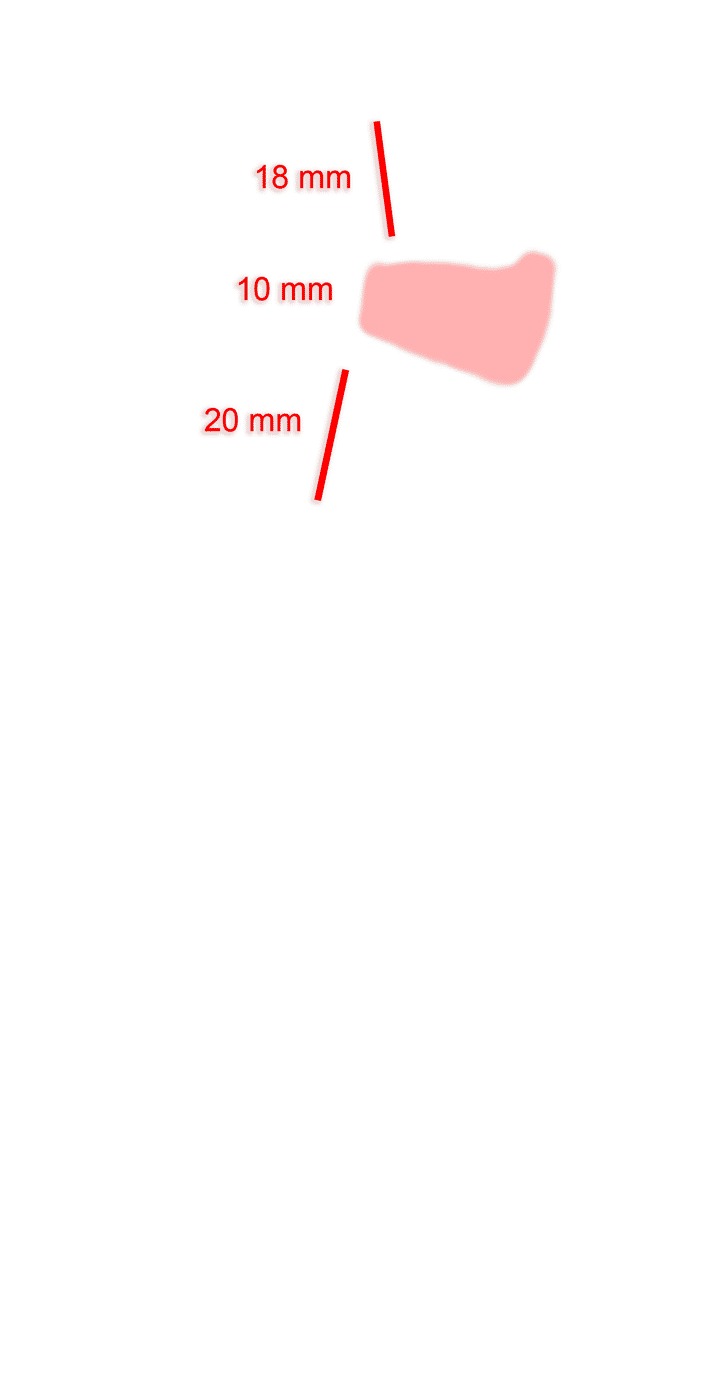
Bone deformity
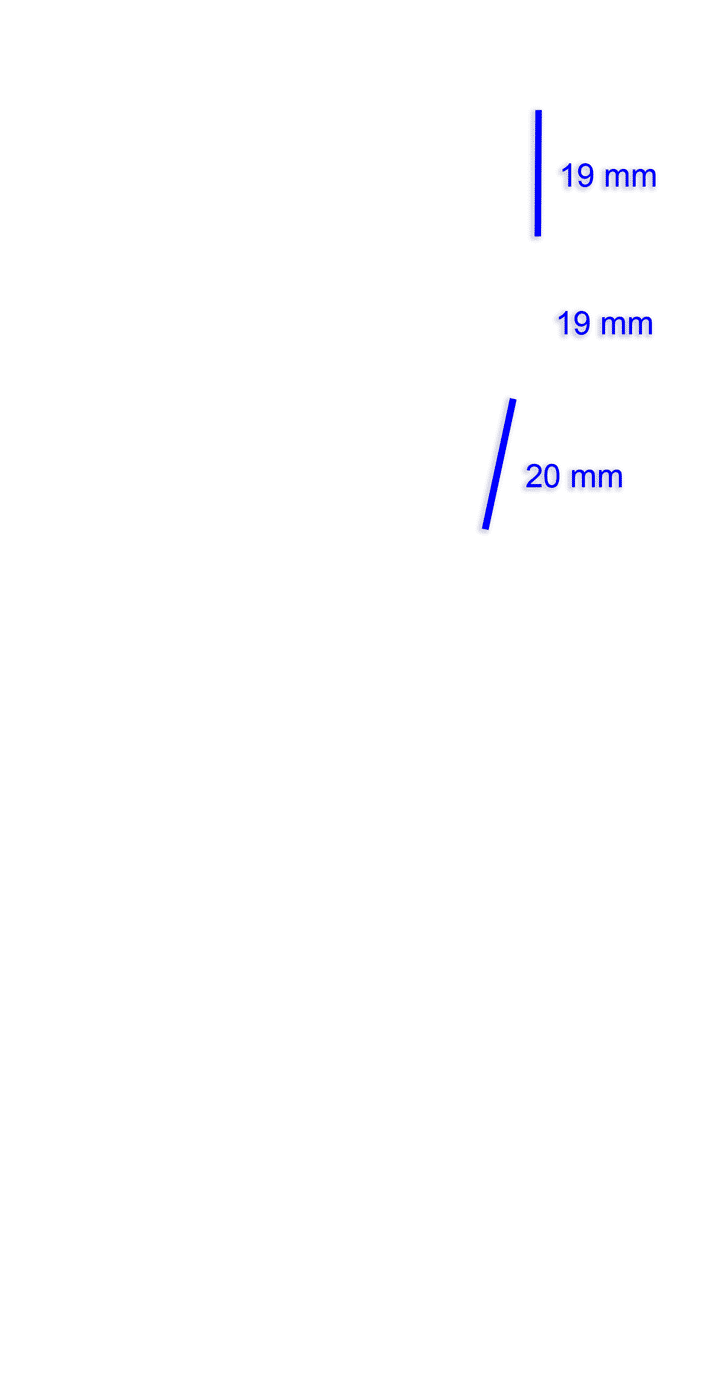
L1 wedge fracture with a 50% loss of vertebral height. To measure it, we begin by calculating the predicted height of L1 by doing the average of the height of the two adjacent vertebrae ( (18 + 20) / 2 = 19 ). We then measure the percentage of L1 still intact, here 10 / 19 = 52,6%. This accounts for a 47,4% height loss.
Intact posterior wall
Posterior wall appears to be intact.
Posterior height of the vertebrae
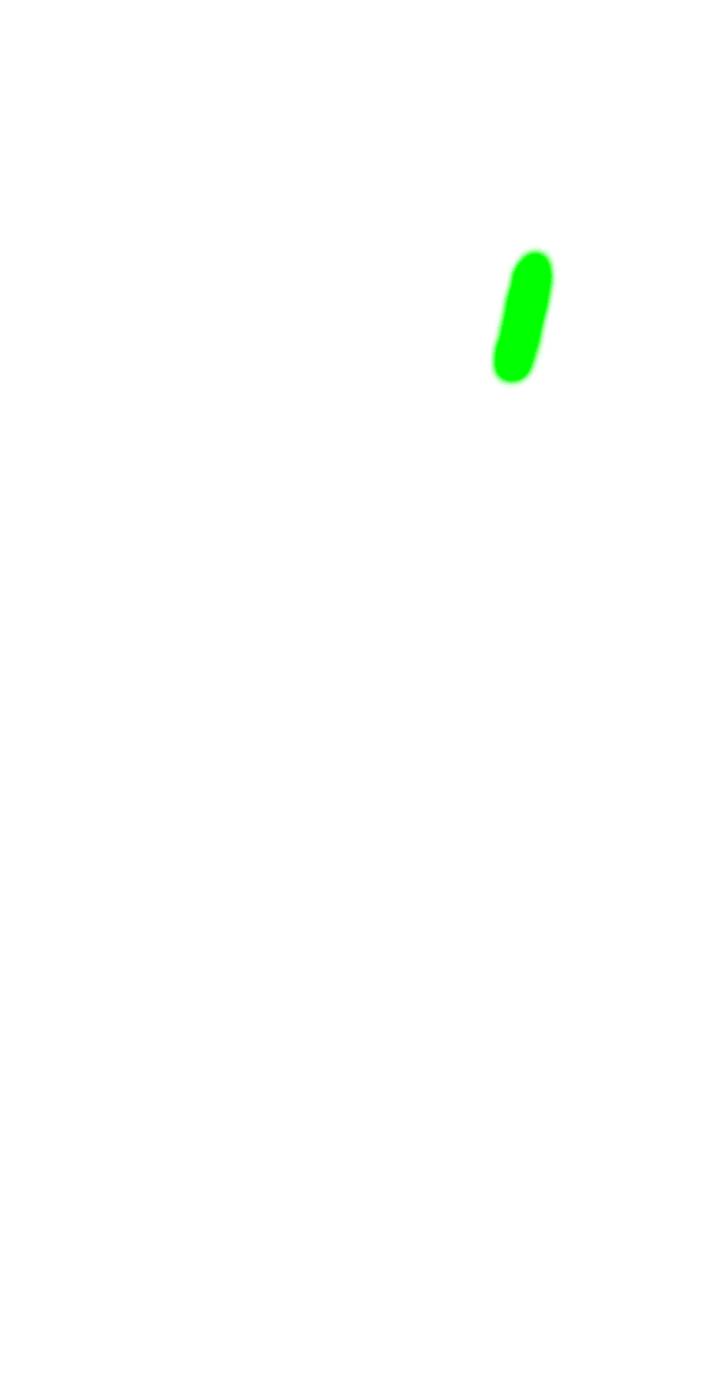
Preserved vertebral height in posterior, giving the classic wedge appearance of the vertebrae.
Interpedicular distance
The interpedicular distance is preserved.
Facet arthrosis
Irregular hyperdensities
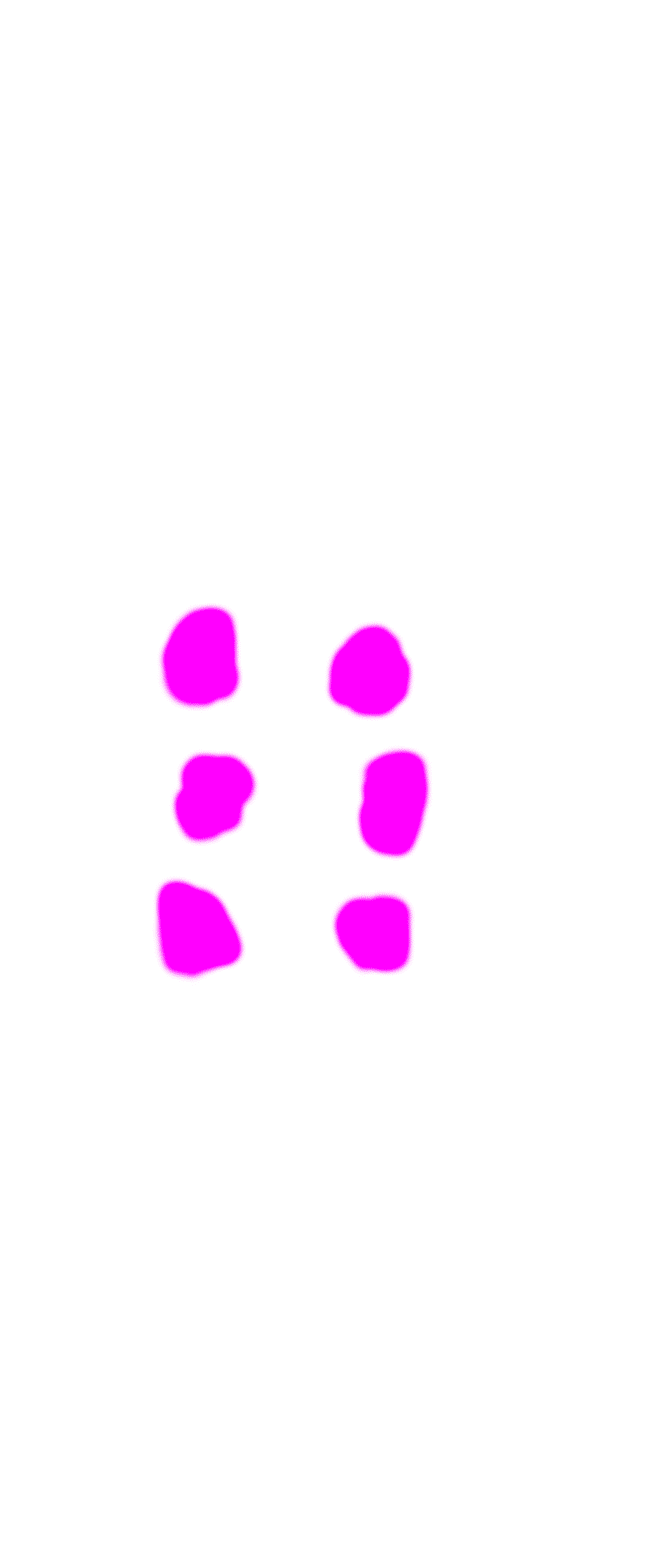
Facet joint osteoarthritis and osteophytes at multiple levels.
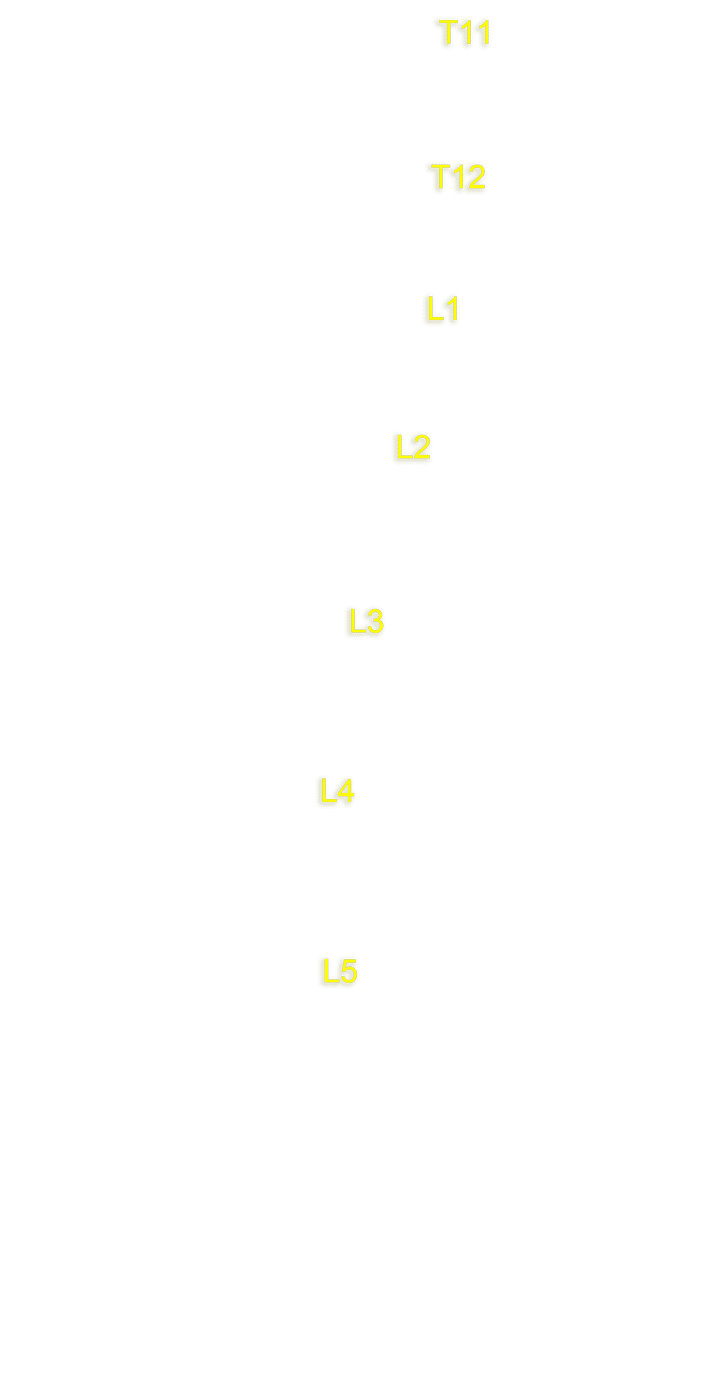
Vertebral identification
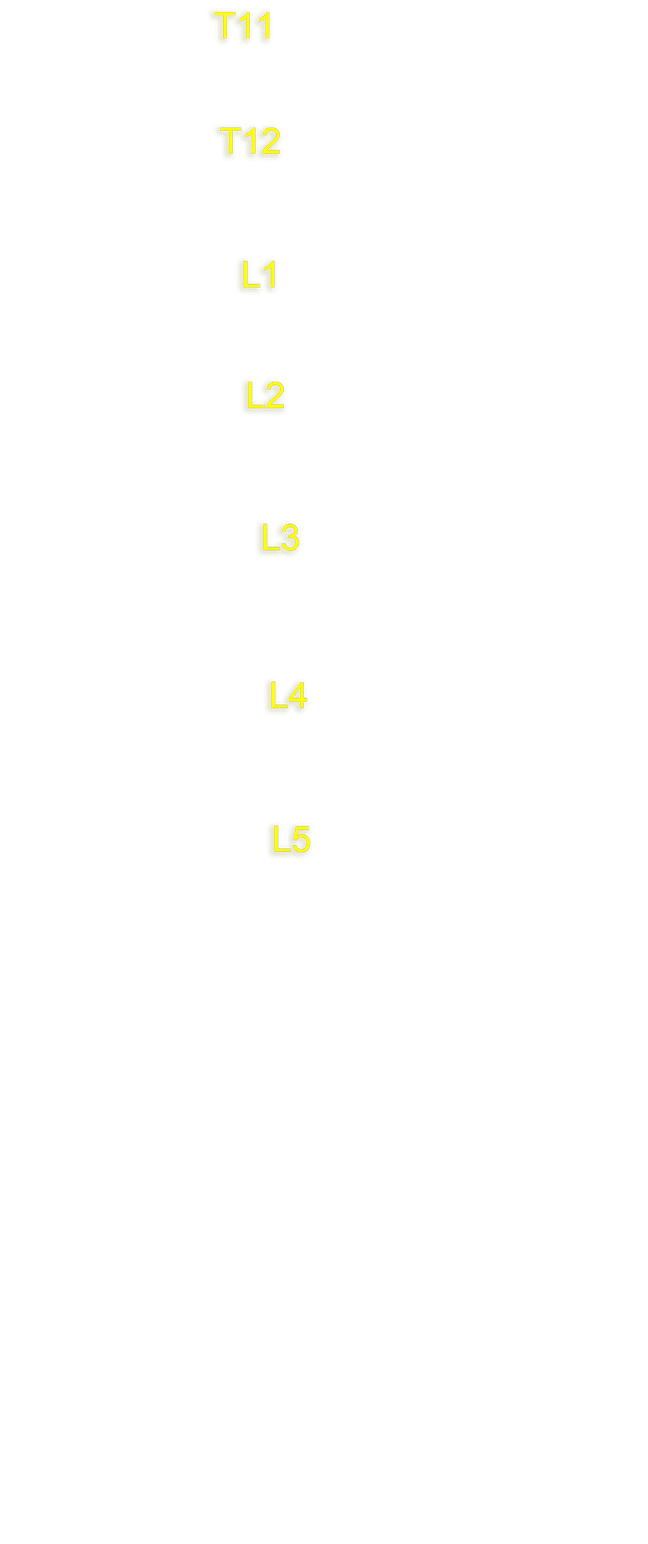
We consider the last vertebrae with a rib as T12 on the anteroposterior view. This prevents vertebral numbering errors when the patient has an additional lumbar vertebrae (S1 lumbarisation).
Related chapters
- Atelectasie
- Pneumonie







Zoom:

test

Zoom:
test
.jpg
.png
193
2
6
../ortho/resources/studies/
../sandbox/